
Memoirs for Understanding Contemporary Ukraine
This post continues a series on contemporary Ukrainian literature in English translations, this time focusing on memoirs. The stories differ greatly in tone and experience, yet they are bound by the same reality: Russia’s invasion of Ukraine. Memoirs written in times of war are, above all, acts of bearing witness. Translation is often described as a bridge between cultures; here, it allows testimony to reach beyond its immediate time and audience. These books read as primary accounts of history unfolding in real time.
Among the memoirs mentioned here are the reflections of a young Kyiv resident who traded his civilian aspirations for the mud of the trenches in 2015; a novelist turned war crimes researcher documenting her experiences and the different forms of resistance of women; and a London-based professor navigating the grief after her brother’s death.
These memoirs move beyond the headlines to capture the reality of people facing Russian aggression, forming a mosaic of what it truly means to live inside history. For readers seeking a deeper understanding of Ukraine today, these translations will be very insightful.
The titles I share are the ones I personally recommend. However, this is not an exhaustive list of Ukrainian memoirs in English translations. If you’d like to explore more, here’s the place to look (which includes a collection of publications in French and German, too).
Related: Fiction and Docufiction Books About the Russo-Ukrainian War
Looking at Women Looking at War
by Victoria Amelina
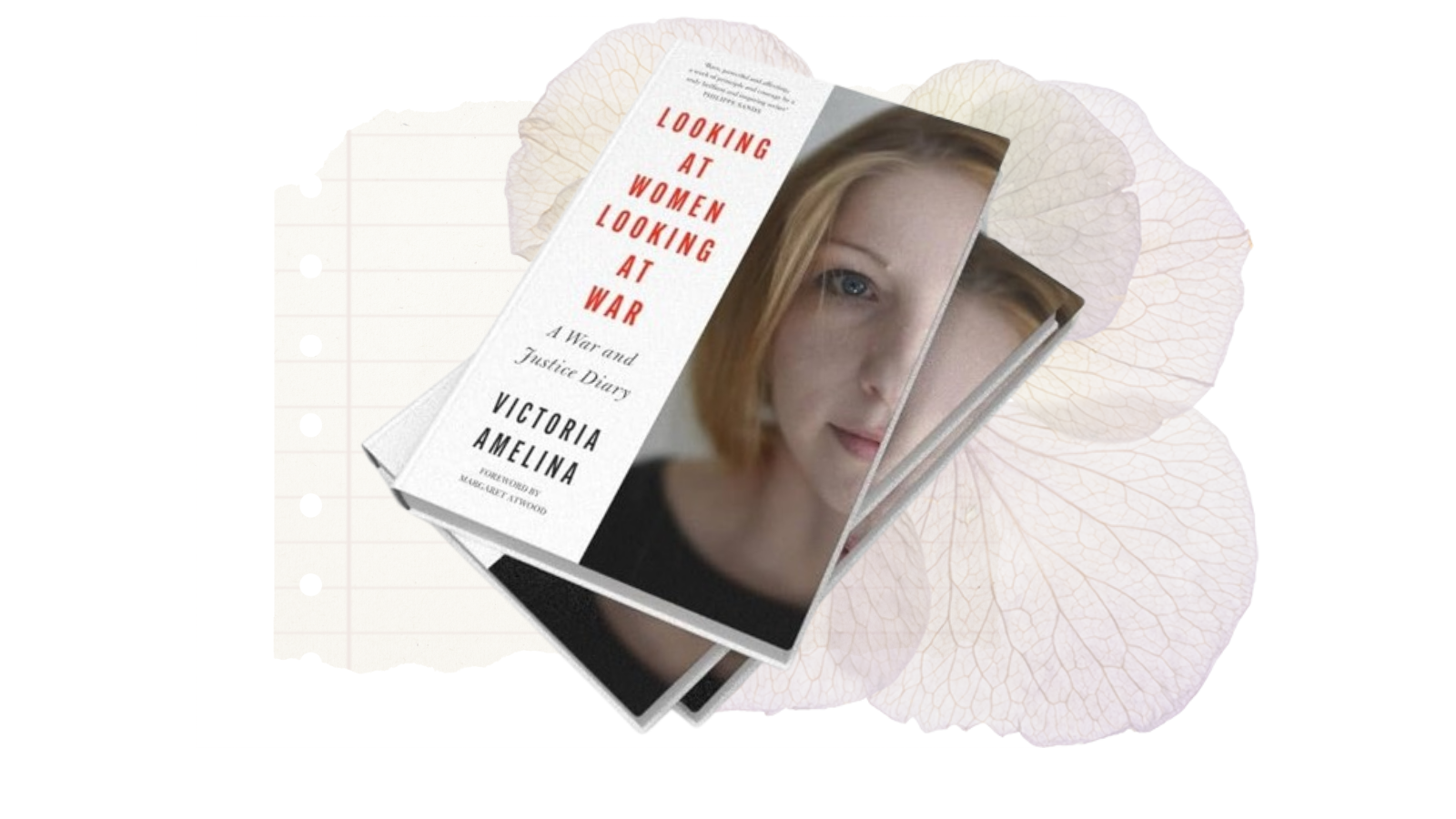
Victoria Amelina was a rising star of contemporary Ukrainian literature who dedicated herself to documenting war crimes when Russia launched its full-scale invasion on Ukraine. Her motivation was pursuing justice — and this memoir is steeped with reflections about justice and international law as well as testimonies of people she gathers in the course of her work. This memoir also includes a collection of stories about different women: those who join the army, evacuate art from near-frontline museums, report on the events, become military medics etc. Amelina’s memoir is full of vitality and even humor.
“I’m remembering where my teapot is and looking for cookies. The Russian Kyiv offensive was so short that the cookies I bought before the full-scale invasion haven’t even gotten hard.”
Tragically, Amelina was killed in a Russian missile strike in 2023 without completing this manuscript; some parts of it were left unfinished. The author posthumously received 2025 Moore Prize for Human Rights Writing for this book. Looking at Women Looking at War won the George Orwell Prize in 2025.
Why read it?
It is a meticulously documented bridge between the past and the present. It offers an insider look at the documented evidence of war crimes while maintaining the poetic style of a novelist. It provides a toolkit for understanding how justice is sought in real-time.
You will like this book if
You are moved by female perspectives and want to read about the war through the eyes of the women who are in one way or another involved in the resistance.
You appreciate memoirs and prefer stories that are grounded in hard evidence but told with deep emotional intelligence.
You are interested in how justice is pursued during wartime and want insight into the legal and ethical complexities of documenting war crimes.
Get the ebook - Looking at Women Looking at War
Absolute Zero by Artem Chekh
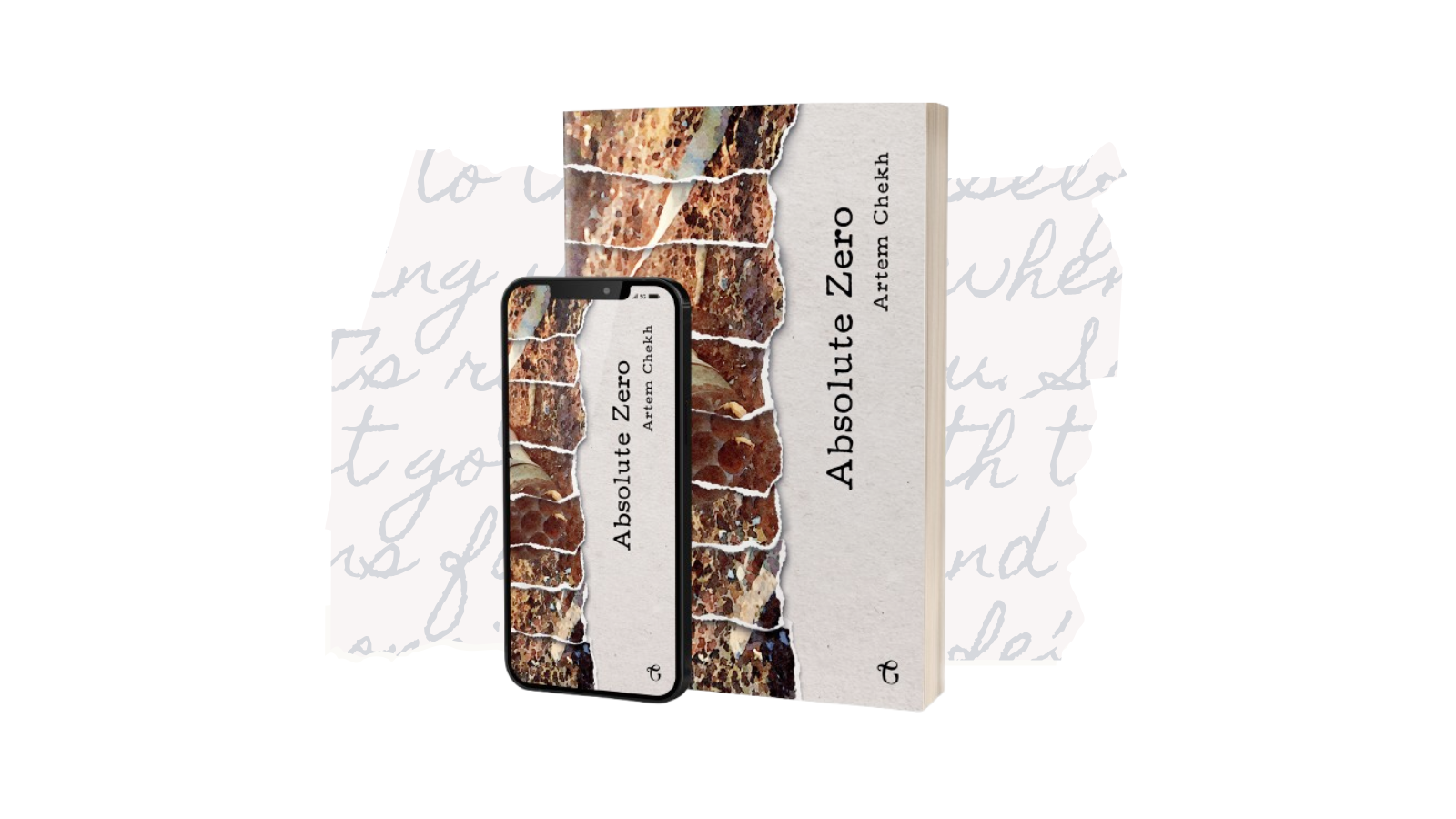
Artem Chekh was a Kyiv-based writer and IT professional when in 2015 he got drafted into the Ukrainian Armed Forces. Absolute Zero is the result of that experience — a collection of raw, diary-like vignettes that capture the reality of a civilian suddenly thrust into the machinery of war.
Why read it?
It provides a deeply personal view of the war. While many books focus on the heroics, Chekh focuses on the humanity — the flaws, the humor, and the mundane reality. It is a vital read for understanding the generation of Ukrainians who left their offices to defend their country long before the world was watching in 2022.
You will like this book if
You value authenticity and want a realistic, unpolished look at what soldiers actually do all day.
You enjoy a "fish-out-of-water" story and are interested in how an intellectual/IT worker navigates the rigid structure of the military.
You prefer short, impactful prose: the book is written in brief chapters that feel like snapshots, making it both powerful and accessible.
Get the ebook or audiobook - Absolute Zero
The Death of a Soldier Told by His Sister
by Olesya Khromeychuk
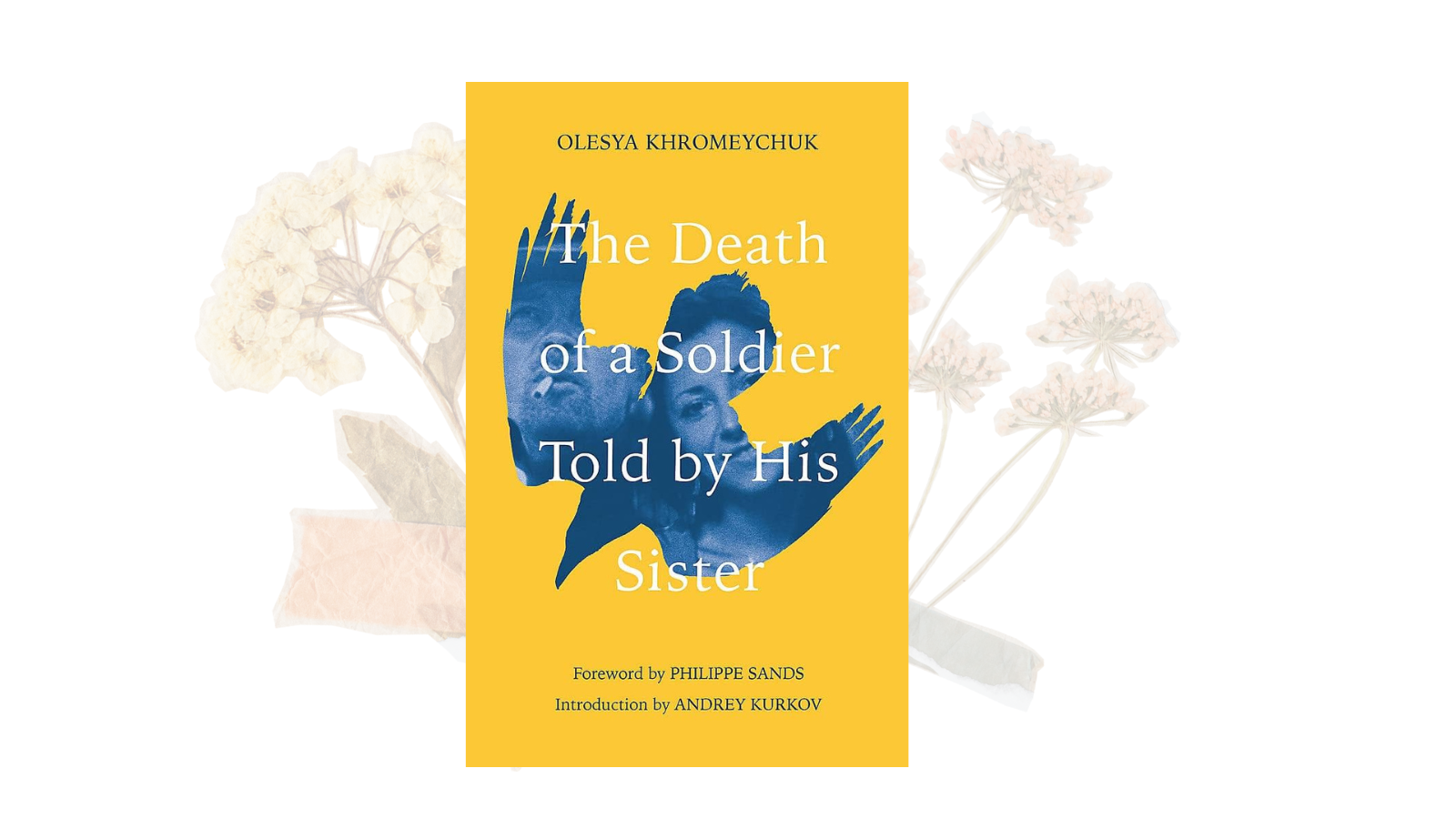
Olesya Khromeychuk is a historian and the director of the Ukrainian Institute London. Regardless of her profession, the memoir is far from being an academic text — it is a very personal story of loss. She brings her professional background to bear on a deeply personal tragedy, grounding reflections in her experience and historical insight. In 2017, her brother Volodya was killed on the front line in Eastern Ukraine. Olesya deconstructs the "hero" myth, moving beyond dry casualty statistics to reveal the complex human being beneath the uniform. She vividly describes the "bureaucracy of death" — funerals, medals, and the struggle to preserve a brother’s true memory.
Why read it?
It is a profound reflection on the "human cost" of war. Olesya bridges the gap between the soldier at the front and the civilian abroad, offering an honest and deeply personal perspective on how grief reframes our sense of history and the narratives that grow around war.
You will like this book if
You value raw honesty and prefer reflective memoirs.
You are interested in the civilian experience of war and want to understand the unseen toll of it on the families behind the frontlines.